dream science
Recurring Nightmares: A 3-Minute Audio Reset
Recurring nightmares can rattle the nervous system. Use this 3-minute audio reset after waking to steady your body, name the dream, and return.
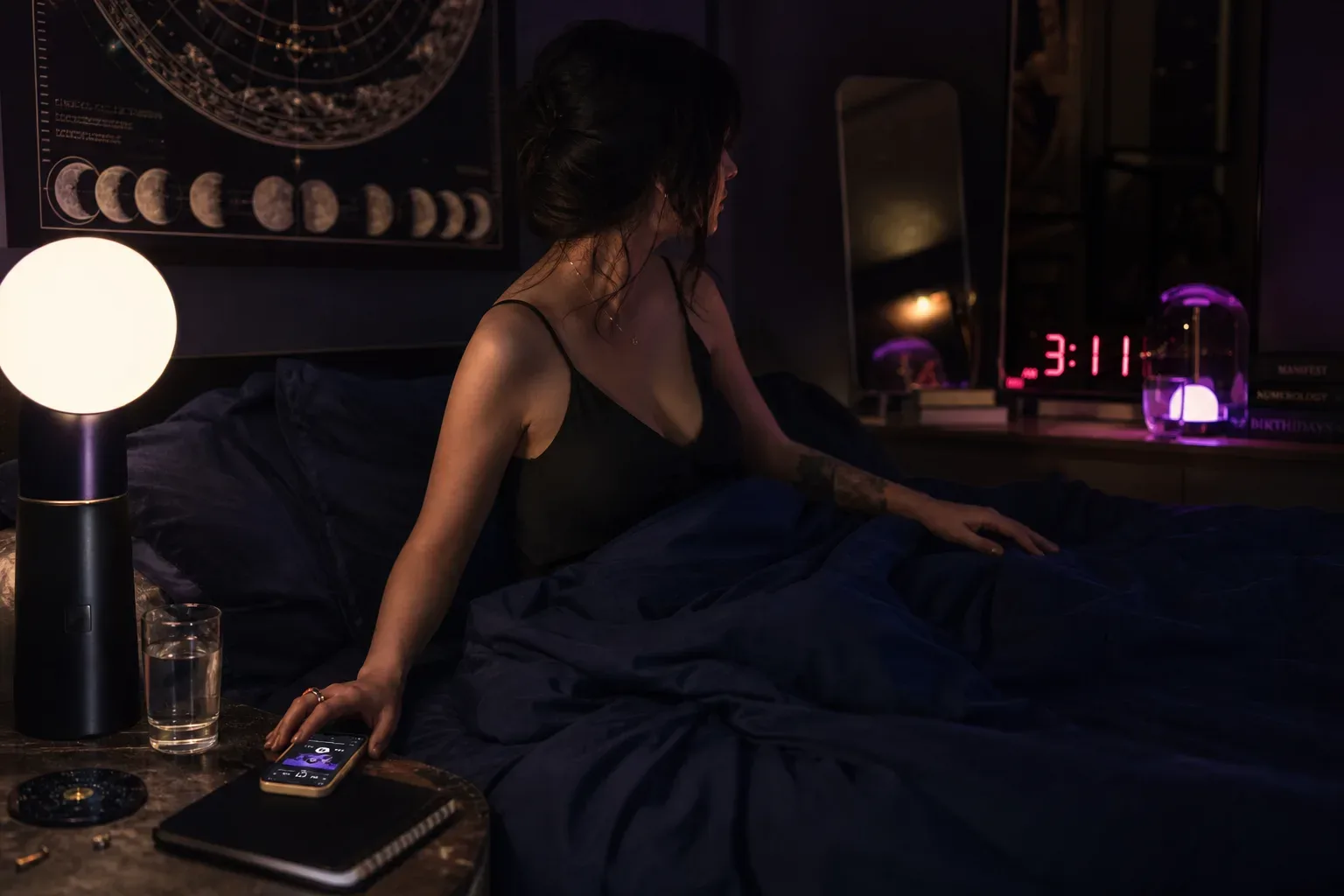
The clock says 3:11, and the same dream has arrived again. For recurring nightmares, use the first 3 minutes after waking to orient your body, play a calm audio reset, and mark the difference between dream danger and present safety before you analyze meaning.
What should you do in the first 3 minutes after recurring nightmares?
You should treat the first 3 minutes as nervous-system triage, not dream interpretation.
Nightmares feel urgent because the body wakes before the mind has filed the event correctly. Heart rate is up. Breath is narrow. The room has not yet become the room. According to the American Academy of Sleep Medicine, 50% to 85% of adults report occasional nightmares, while recurrent nightmare disorder is less common and more disruptive. That distinction matters. A strange dream is a visitor. A recurring nightmare is a pattern knocking with the same hand.
Use a reset that is almost boring. Boring is useful at 3:11. It gives the brain fewer symbols to wrestle and more sensory facts to hold. The sequence is simple:
- Name the date and your location.
- Touch one stable surface for 10 slow breaths.
- Play the same 3-minute audio reset each time.
- Write one line: The dream was then; this room is now.
- Decide whether to return to sleep, sit up, or seek support.
This is not spiritual bypassing with better lighting. It is state change. In sleep research, nightmares are associated with awakenings from REM sleep, the stage where emotional memory processing is active. REM periods lengthen later in the night, which is one reason many people wake from intense dreams around 3 a.m. or 4 a.m. The dial is not random, even when the content is wild.
A nightmare does not need your full attention at the exact moment it scares you. Some messages should be read after sunrise.
Why does an audio reset work better than trying to think your way calm?
An audio reset works because the waking body can follow rhythm and voice before it can reason cleanly.
After recurring nightmares, thought often arrives wearing the dream’s costume. You try to explain the image, but your body still believes the threat. That is why a prepared audio can be stronger than improvising self-talk. It removes the burden of choosing words while half-awake. The voice becomes a rail to hold.
Dr. Andrew Huberman has popularized the physiological sigh, a breathing pattern with two inhales followed by a long exhale, citing work on carbon dioxide and autonomic regulation. In a 2023 Cell Reports Medicine study from Stanford researchers, cyclic sighing practiced for 5 minutes daily improved mood and reduced respiratory rate more than mindfulness meditation in the sample studied. A 3-minute reset borrows the same principle: extend the exhale, reduce alarm, repeat on cue.
The reset should sound like a witness, not a cheerleader. No pep talk. No theatrical certainty. The cleanest line is often the strongest one: You are awake, your body is here, and the dream has ended.
This is where the AYA Method offers a useful frame, though not as an emergency tool. The AYA Method is a daily audio manifestation practice. Each day you listen to a short personalized recording, your Dream-Self Moment, narrated from the version of you who has already manifested the life you intend. Listening is the practice. Repetition is the work. The audio is the method. For nightmares, the reset is smaller and more immediate, but it respects the same truth: the body learns through repeated sound.

What should the 3-minute audio reset actually say?
The reset should move from orientation, to breath, to a single future-facing sentence.
Keep it short enough that you will use it when you are shaken. Three minutes is not a magic number, but it is practical. It is long enough for several breath cycles and short enough to avoid waking yourself fully with a production. Cognitive behavioral sleep programs often protect stimulus control: bed should remain associated with sleep, not hours of analysis. A short reset respects that boundary.
Here is a simple structure you can record in your own voice, or have someone calm read for you:
| Minute | Focus | Example line |
|---|---|---|
| 0:00-1:00 | Orient | It is October 25. I am in my room. My feet are under the blanket. |
| 1:00-2:00 | Regulate | Inhale gently. Exhale longer. The image is fading because I am awake. |
| 2:00-3:00 | Return | I can meet this later. Right now, I choose rest and safety. |
If you use manifestation practices, be precise. Do not tell yourself the nightmare was a sign that something bad is coming. Fear is a signal, not a sentence. The broader Manifestation pillar is strongest when desire and attention are handled with responsibility, not panic. Name what you want to practice: steadiness, sleep, discernment, repair.
A daily affirmation can complement the reset, especially if the sentence is grounded. The Affirmations pillar makes this point well: repetition works best when the line is believable enough for the nervous system to stay in the room. Try: I am allowed to wake from fear and return to myself. That sentence does not deny the dream. It refuses to crown it.
The right audio does not argue with the nightmare. It outlasts it by telling the truth more consistently.
When are recurring nightmares a signal to get clinical support?
Recurring nightmares call for clinical support when they are frequent, traumatic, or changing how you live while awake.
The Diagnostic and Statistical Manual of Mental Disorders recognizes nightmare disorder when repeated dysphoric dreams cause significant distress or impairment and are not better explained by substances or another condition. PTSD nightmares can replay trauma directly, but they can also repeat a symbolic threat. Either way, the pattern deserves care. In veteran and trauma-exposed populations, nightmare rates are far higher than in the general public; some studies of PTSD report trauma-related nightmares in more than 50% of participants.
Do not wait until the dream becomes cinematic every night. Weekly nightmares that make you dread sleep are enough reason to talk to a clinician. So are nightmares paired with panic attacks, dissociation, depression, substance use, or thoughts of self-harm. A sleep physician may check for sleep apnea, restless legs, medication timing, alcohol effects, or REM behavior disorder. A therapist may consider trauma-focused care, imagery rehearsal therapy, EMDR, or cognitive behavioral therapy for insomnia.
Imagery rehearsal therapy, often called IRT, has one of the clearer evidence bases for recurrent nightmares. The basic move is almost editorial: write the nightmare, change the ending while awake, rehearse the new version daily. A 2010 American Academy of Sleep Medicine best practice guide recommended IRT for nightmare disorder, especially in PTSD-related nightmares. The page turns because you practice the turn.
Use this quick threshold list:
- Nightmares happen once a week or more for a month.
- You avoid sleep because you fear the dream.
- The dream repeats a known trauma.
- You wake with panic, sweating, or chest tightness.
- Daytime mood, work, or relationships are affected.
A reset is not a substitute for care. It is a bridge you can cross while care is being arranged.
How does dream work fit with manifestation without turning fear into a sign?
Dream work fits with manifestation when it helps you choose attention, not when it makes fear sacred.
This is the line to keep clean. Recurring nightmares can feel loaded, especially if you also notice numbers, lunar timing, or synchronicity. She sees 11:11 on the stove, then wakes at 3:11 from the same dream. The mind reaches for a pattern. Pattern-making is human. Research in cognitive psychology has shown that the brain constantly predicts and updates, and under stress it can over-detect threat. The signal may be real as a body signal without being a cosmic threat report.
Numerology can be used as a reflective language, not a verdict. Master numbers 11, 22, and 33 traditionally point to intuition, building, and service in modern numerology systems, though these are symbolic traditions rather than clinical facts. If 11:11 gives you a pause, use the pause. Ask what needs care. Do not hand the nightmare the microphone.
The same applies to lunar or astrological timing. If a nightmare clusters around a full moon, you can track it without making it fate. Sleep studies have produced mixed findings on lunar cycles; a 2013 Current Biology study found shorter sleep around the full moon in a small sample, while later research has been less consistent. The useful move is observation with humility. The room is allowed to be mysterious and still require a glass of water.
If your practice includes astrology and manifestation, let it support timing and reflection. Do not let it replace sleep care. If your practice includes a Manifestation Board, keep it for daytime orientation. After a nightmare, the audio reset comes first because the body is asking for sound, breath, and safety now.

What can you track so the nightmares lose their grip?
Track enough to see patterns, but not so much that the nightmare becomes your second job.
A simple log can lower the drama. Not because data is cold, but because it gives the fear a container. Sleep medicine often relies on diaries because memory around sleep is slippery. Two weeks of notes can show whether nightmares cluster after alcohol, conflict, late meals, certain medications, menstrual-cycle shifts, grief anniversaries, or news intake. Specifics beat dread.
Use five fields only:
- Date and wake time.
- Nightmare theme in 5 words or fewer.
- Body intensity from 1 to 10.
- What happened in the prior 24 hours.
- What helped you return.
That is enough. If you write three pages at 3 a.m., you may train your mind to treat the nightmare as an appointment. Put the long reflection in daylight, ideally after breakfast. The brain handles symbols better when blood sugar, light, and social contact have re-entered the room.
You can also track audio repetition. Did you play the reset? Did your intensity drop from 8 to 5, or from 6 to 3? In small behavioral studies, self-monitoring can improve adherence because the act of recording makes the cue more visible. The same principle shows up across habit research: what gets noticed can be adjusted.
For readers building a wider practice, pair the reset with one daytime action. Read the manifestation guide for attention, use affirmations for language, and keep the audio practice as the spine. If the nightmare is the alarm, your repeated response is the new instruction.
The dial can steady before the room does.